Answer 06 · Building history
How to find the history of a building
Who built it, who lived and worked in it, what it used to be — seven record types tell the story, most of them free.
To find a building's history, work through seven record types: historic maps for when it appeared and what it was; newspapers for the events and people attached to the address; street directories and census returns for occupants year by year; old photographs for how it looked; deeds for ownership; and planning or heritage records for alterations and significance. Read the building's architecture first — it tells you which decades to search.
A building's history is more than its construction date. The date is one fact; the history is the chain of people, uses, and changes that follow — the draper who ran the ground floor for thirty years, the fire that took the original roof, the decade it spent as a dance hall. Those stories live in different records than the build year, which is why this guide is the companion to finding the exact build year rather than a repeat of it.
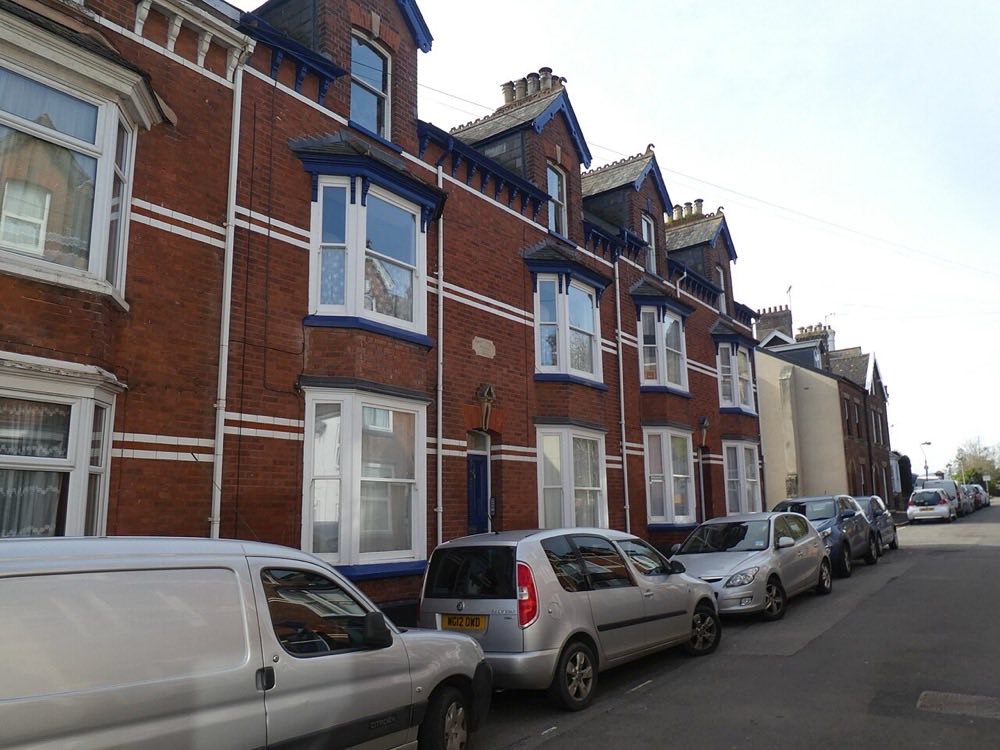
Decide which history you're after
Naming the question first saves hours in the archives. "Who designed it?" points to planning records and heritage lists. "Who lived here?" points to census returns and directories. "What did it use to be?" points to labelled maps and directories. "What happened here?" points to newspapers. Most people researching a building want some mix of all four — the workflow below collects them in the cheapest order.
The seven sources
| Source | What it tells you | Where to start |
|---|---|---|
| The building itself | Era, style, alterations — and which decades of records to search | Read the façade with our dating guide, or photograph it with the Building Lore app for an instant era-and-context summary |
| Historic maps | When it appeared, its footprint over time, and often its labelled use | National Library of Scotland (Britain, free); Sanborn maps at the Library of Congress (US, free) |
| Old newspapers | Sales, fires, openings, crimes, advertisements — the events at an address | Chronicling America (US, free); the British Newspaper Archive (UK, subscription, free at many libraries) |
| Street directories | The occupant or business at the address, year by year | Local libraries and archives; many county and city runs are digitized |
| Census returns | Every named occupant at each census date | National archives; publicly released through 1921 (England & Wales) and 1950 (US) |
| Old photographs | How the building and street actually looked | Local archive photo collections and museum image libraries |
| Deeds, planning & heritage records | Ownership chain, alterations, architect, listed status | Land registry or county recorder; local planning portal; Historic England's research guide for the British route |
A one-afternoon workflow
- Read the building (ten minutes). The architecture brackets the decades and flags alterations worth explaining.
- Walk the map editions (half an hour). Appearance, footprint changes, and any labelled use, edition by edition.
- Search the address in newspapers (an hour). Try the street name with and without the number, and old spellings — addresses were renumbered often.
- Fill the timeline with directories and census returns (an hour). Occupants and businesses year by year.
- Chase the specifics last. Deeds, planning files, photographs, and heritage entries confirm what the cheap sources suggested.
Finding the people
Buildings hold their stories through their occupants, and the trick to occupant research is triangulation: the census names everyone in the household at ten-year intervals, directories fill the gaps between with heads of household and trades, and newspapers attach the events — marriages, bankruptcies, jubilees, accidents — to those names. Where an address search fails, search the names you have already found; a person's story usually leads back through the building several times.
Common questions
How do I find the history of a building for free?
Historic map collections, Chronicling America's newspapers, and released census returns are free online; directories and photo collections are usually free at the local library or archive. The paid sources — deed copies, some newspaper archives — are best saved for confirming details.
How can I find out who used to live in my house?
Census returns name every occupant at each census date; street directories and electoral registers fill the years between; newspapers attach the stories to the names.
How do I find out what a building used to be?
Compare labelled map editions — fire insurance and town maps often mark uses like shop, warehouse, chapel, or school — and follow the address through directories year by year. Planning records document later conversions.
Can an app tell me the history of a building?
Building Lore can read the architecture from one photo and outline the likely era, style, and historical context — the fastest first summary, especially for an ordinary building with no online record. For documented names, dates, and events, follow the archive sources above.
Sources and methodology
- Historic England, Researching Your Home's History — the standard documentary route for British buildings.
- Library of Congress, Chronicling America — free digitized US newspapers, 1756–1963.
- National Library of Scotland map collections — free georeferenced historic Ordnance Survey mapping.