Victorian vs Edwardian Houses: How to Tell the Difference
They sit side by side on countless streets and are easily confused. Here's how to tell a Victorian house from an Edwardian one at a glance.
The quick version
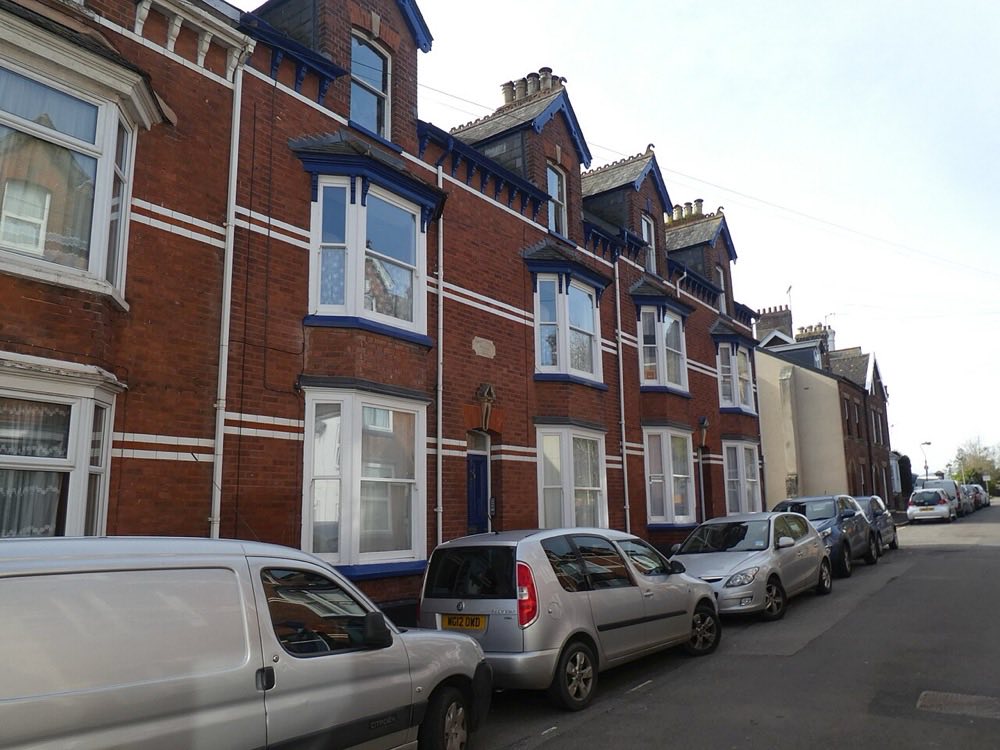
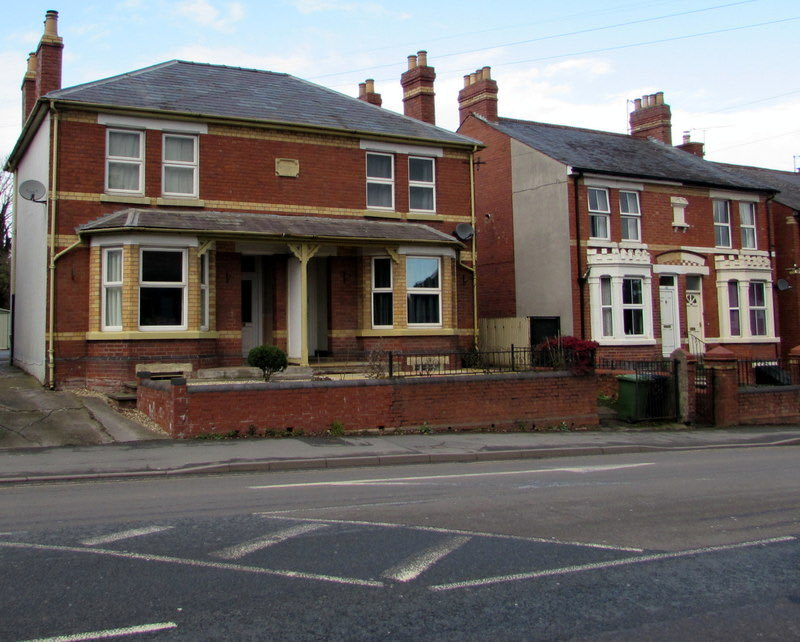
Victorian houses (c. 1837–1901) are typically narrow, tall, ornate, and dark inside. Edwardian houses (c. 1901–1910) are usually wider, lighter, plainer, and more spacious. The Edwardian era was a reaction against Victorian fussiness, influenced by the Arts and Crafts movement.
Side-by-side comparison
| Feature | Victorian | Edwardian |
|---|---|---|
| Plot & width | Narrow plots, terraced, built for density | Wider frontages, often set back with a garden |
| Facade | Ornate — coloured brick, terracotta, bay windows | Simpler, often with mock-Tudor timbering and render |
| Windows | Smaller panes, decorative sashes | Larger windows, more glass, more light |
| Ceilings & rooms | High ceilings, smaller darker rooms, elaborate cornicing | Lighter, more generous rooms, restrained detail |
| Hallway | Narrow | Wider, more welcoming |
| Front garden | Often minimal or none | More common, reflecting new suburbs |
Why the difference?
By the turn of the century, expanding railways and suburbs meant more land per home, and tastes had shifted toward the Arts and Crafts ideals of light, space, and honest materials. The result was the airier, simpler Edwardian house — even though the two styles were built barely a decade apart.
Victorian or Edwardian? Ask the app
Snap a photo and Building Lore will tell you the likely era and style, plus the history behind the building. Free on Google Play.

Or is it interwar? The 1910–1939 trap
A large share of houses people describe as "Edwardian" were actually built between the wars. The giveaway features of a 1920s–30s house are different again: wider semi-detached pairs rather than terraces, hipped roofs instead of gables and parapets, curved or suntrap bay windows, pebbledash or render over brick, and mock-Tudor timbering applied to the gable. If the front door has a sunburst or chevron motif in its glazing, you are almost certainly looking at interwar, not Edwardian.
A quick rule for the whole period: terraced and ornate points Victorian, wide and airy but pre-1914 points Edwardian, semi-detached with a hipped roof and curved bays points interwar.
Still not sure?
Many streets mix both, and later alterations blur the lines. When the facade alone doesn't settle it, combine the clues in this table with our guide to telling the age of a building, or let an AI app read the details for you.
Frequently asked questions
What is the main difference between Victorian and Edwardian houses?
Edwardian houses are generally lighter, wider, and simpler than Victorian ones. Victorians favoured ornate detail, narrow plots, and darker interiors; Edwardians opened things up with more space, bigger windows, and restrained decoration.
What years count as Victorian and Edwardian?
The Victorian era runs roughly 1837–1901 (Queen Victoria's reign) and the Edwardian era 1901–1910 (Edward VII), though the Edwardian architectural style is often stretched to around 1914.
How do Georgian houses fit in — Georgian vs Victorian vs Edwardian?
Georgian (c. 1714–1830) came first and is the most formal of the three: strictly symmetrical brick or stone façades with sash windows in neat rows. Victorian (1837–1901) broke the symmetry and piled on ornament; Edwardian (1901–1910) kept some of the width and lightness but simplified the detail. Read in order: symmetry says Georgian, ornament says Victorian, airy simplicity says Edwardian.
Are Edwardian houses better than Victorian?
Neither is objectively better. Edwardian houses tend to have more light and space per room, while Victorian houses often have more character and detailing. It comes down to preference and the condition of the individual property.
Sources & further reading
- The Victorian Society: the UK charity for Victorian and Edwardian architecture (1837–1914), with advice on original features.
- English Heritage — The Victorians: historical background on the era that shaped these streets.
- Historic England — The National Heritage List for England: check whether a specific house is listed and read its official description.