How to Identify Architectural Styles: A Beginner's Guide
Once you know what to look for, buildings start telling you their age and origin. Here are the most common Western architectural styles and the features that give each one away.
Start with three questions
For almost any building, three quick observations get you most of the way there:
- Is the facade symmetrical? Strict symmetry suggests Georgian or Neoclassical; playful asymmetry suggests Victorian or Contemporary.
- What do the windows look like? Window type is one of the most reliable dating tools.
- How much ornament is there, and where? Heavy decoration, clean lines, or raw structure each point to different eras.
The major styles at a glance
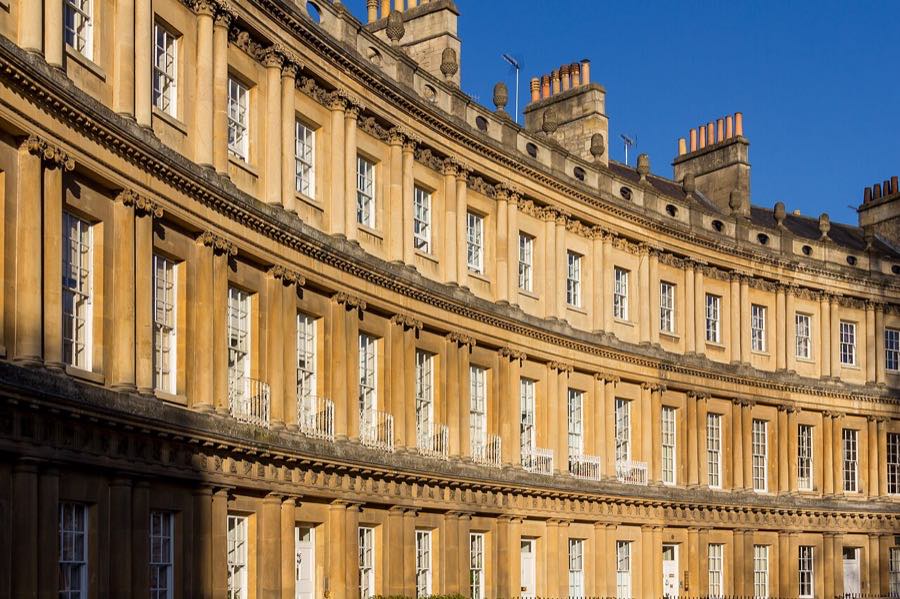
Georgian (c. 1714–1830)
Symmetrical brick or stone facades, sash windows arranged in neat rows, a panelled front door often topped with a fanlight. Restrained, orderly, classical.
Victorian (c. 1837–1901)
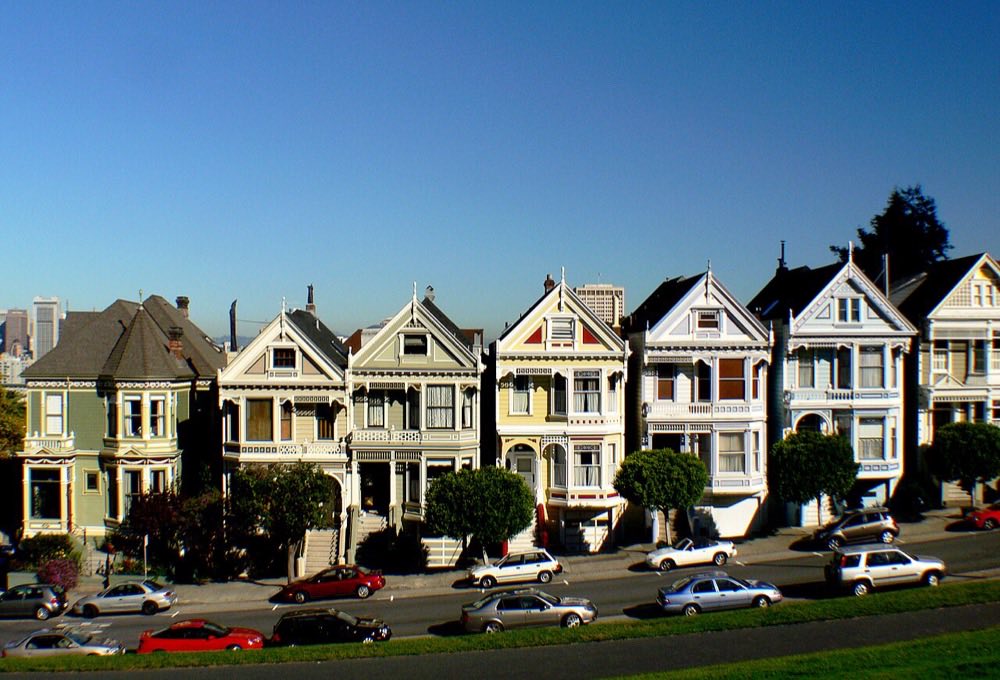
Bay windows, decorative brickwork, steep roofs, and eclectic ornament. Victorians loved variety and pattern — think coloured brick, terracotta detailing, and ornate ironwork.
Edwardian (c. 1901–1910)
Lighter and airier than Victorian, with more space, larger windows, and simpler detailing. Often features mock-Tudor timbering and wide hallways. See our Victorian vs Edwardian comparison.
Art Deco (c. 1920s–1930s)
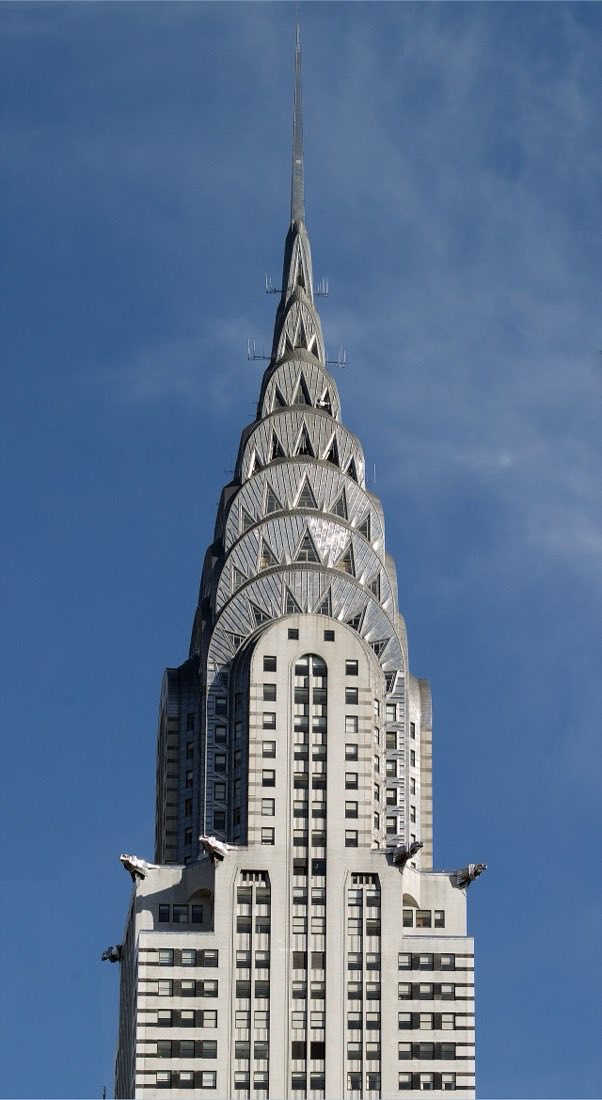
Bold geometric forms, stepped profiles, sunburst motifs, and streamlined curves. Glamorous and machine-age, common in cinemas, hotels, and apartment blocks.
Modernist (c. 1930s–1960s)
"Form follows function." Flat roofs, horizontal lines, ribbon windows, white render or glass, and a rejection of applied ornament.

Brutalist (c. 1950s–1970s)
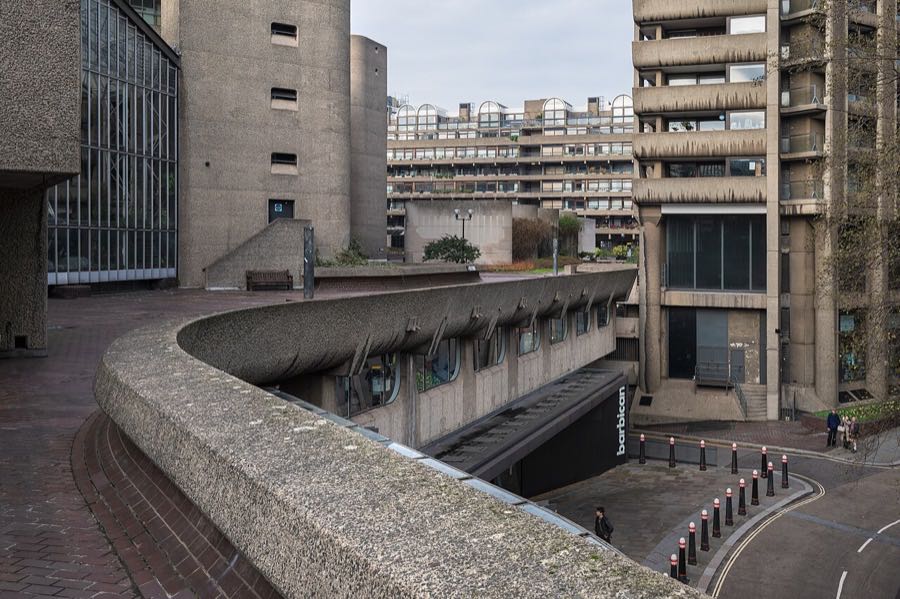
Raw exposed concrete, massive sculptural forms, and repeated modular units. Divisive but unmistakable — Tate's glossary has a good short history of the term.
Postmodern (c. 1970s–1990s)
A reaction against Modernism — colour, wit, and historical references reintroduced, often ironically. Mixed materials and playful shapes.
Contemporary (2000s–today)
Sustainability-driven, with mixed cladding, large glazing, green roofs, and irregular geometry enabled by modern engineering.
Not sure which style you're looking at?
Point Building Lore at any building and let AI name the style and era for you — free on Google Play.

Practice on your own street
The best way to learn is to look. Walk your neighbourhood and try to date each building using the three questions above, then check yourself. An AI app like Building Lore is a fast way to confirm your guesses and learn the subtle distinctions between similar styles.
Frequently asked questions
What is the easiest way to identify an architectural style?
Start with three things: the shape and symmetry of the facade, the window style, and the decorative detail. Those three signals narrow most buildings down to an era quickly. An app like Building Lore can confirm the style from a single photo.
How many architectural styles are there?
Dozens, and they overlap and revive across centuries. For everyday identification it helps to know around eight major Western styles — Georgian, Victorian, Edwardian, Art Deco, Modernist, Brutalist, Postmodern, and Contemporary — plus regional variations.
Can one building have more than one style?
Absolutely. Buildings are often extended, remodelled, or deliberately designed to mix styles. A Victorian house may have a modern extension, and revival styles borrow features from earlier periods, which is exactly why context and detail matter.
Sources & further reading
- US National Park Service — Architecture: official guides to American architectural styles and preservation.
- RIBA — Explore architecture: the Royal Institute of British Architects' introductions to styles and movements.
- Tate — Brutalism: a concise history of Brutalist architecture and where the name came from.
- Bauhaus Dessau Foundation: the movement's own museum and archive, in the 1926 building itself.